
Protect our pipes
This might come across as common sense, but are you fully aware of what you can flush down the toilet or pour down the kitchen sink?
Our Wastewater team occasionally find items in pipes and treatment ponds which definitely shouldn’t be there. These can lead to big, messy problems for your home plumbing or across our public wastewater network.
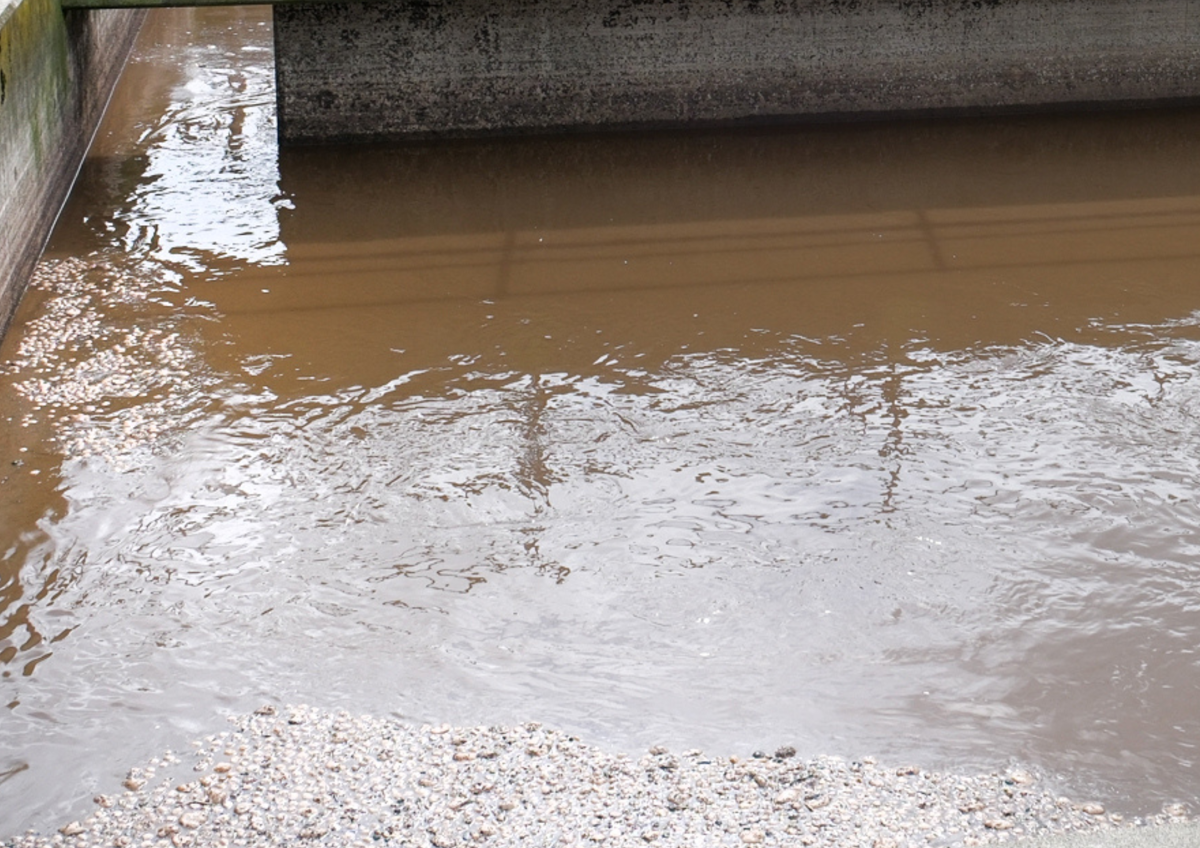
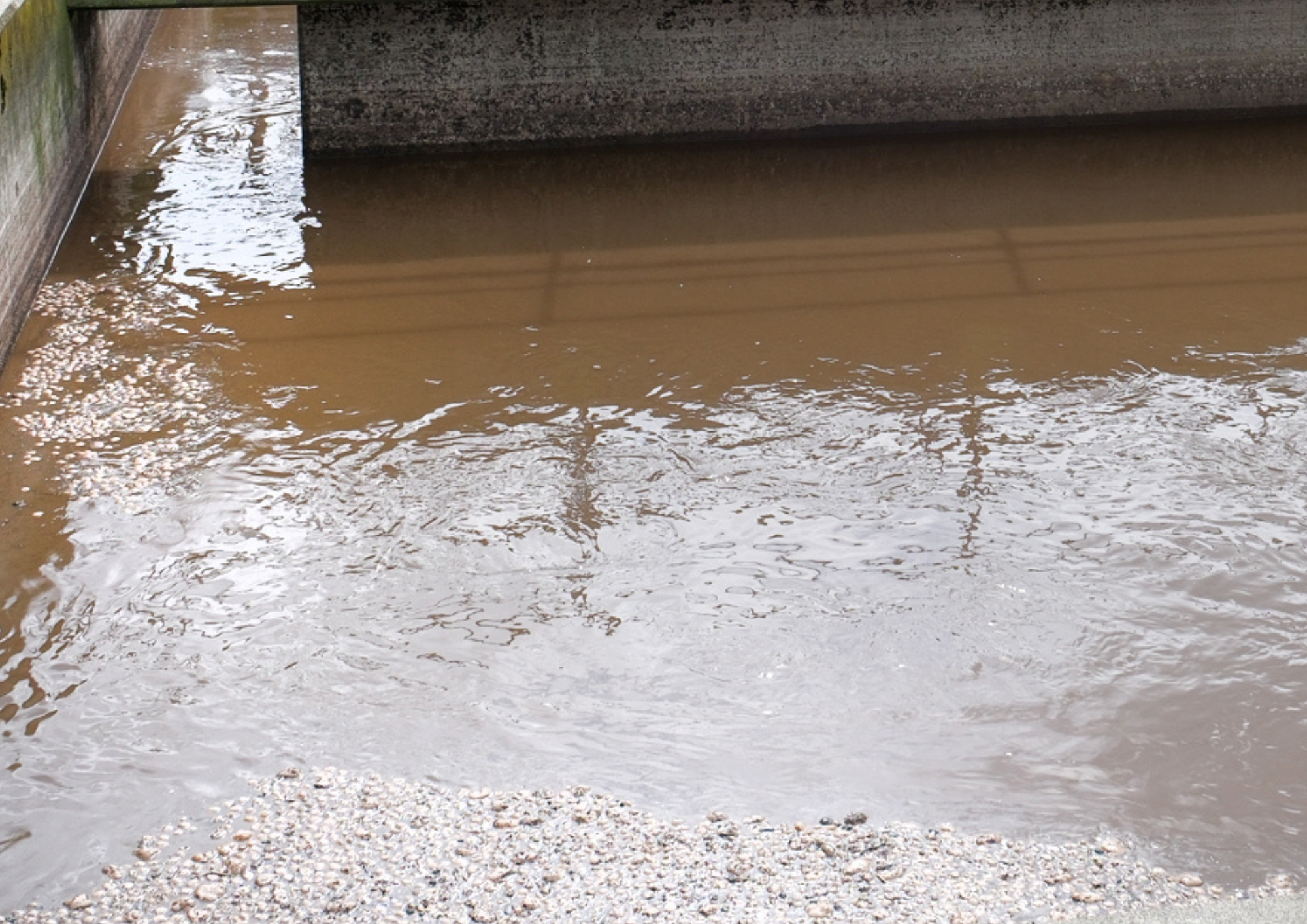
Image: cotton buds floating on top of Council's wastewater ponds at Paraparaumu. See larger image [PNG 3.53 MB].
- Pee
- Poo
- Paper
Don’t flush:
- wet wipes
- cotton buds
- dental floss
- nappies
- tampons or other sanitary products
- random objects not designed to go down the loo (yes, they do turn up!)
Blockages and wastewater overflows can pollute streets and make their way into the rivers and beaches where we live and play.
Put a bin next to your toilet so you can dispose of non-flushable items easily in the right place.
Bin the wipes – how flushing wet wipes cause problems
When flushed down the toilet, wet wipes build up in pipes, treatment ponds and pump stations, where they clump together and restrict the flow of wastewater.
Over time, these clumps trap other items (like fats from cooking, hair or waste), creating blockages that could cause system failures. This results in costly repairs for ratepayers, as well as creating an unpleasant and hazardous job for the Wastewater team to rectify.
Even wipes labelled flushable or biodegradable don’t break down in the same way toilet paper does. Wet wipes are made of synthetic fibres which can remain intact in the system, causing major issues down the track. Protect our pipes, bin the wipes!
What you can pour down the sink
Your sink is for dirty water only.
Never pour fats, oils, or grease down the sink – even with hot water or dishwashing liquid.
These substances cool and harden inside pipes, eventually causing blockages or even 'fatbergs’ which can damage our shared wastewater system and your home plumbing.
What to do instead
Instead of tipping grease down the drain:
- Let the grease cool for a few hours
- Pour it into a non‑breakable container, sealed with a lid
- Put the container in the rubbish bin
A small habit change at home helps protect our pipes and waterways and prevents costly damage to the sewer network, our health and environment.
Don’t pour your coffee grounds down the sink – coffee grounds do not flush safely through pipes and should never be put down the sink or garbage disposal.
They do not dissolve in water, acting instead like sludge that builds up in P-traps and pipes, combining with grease to create stubborn clogs.
What to do instead
Always compost or throw them in the trash.