Erosion & Sediment Plans for Small Sites
Key components of an Erosion and Sediment Control Plan (ESCP) for small sites


Construction sites are one of the main sources of erosion and sediment entering Kāpiti’s stormwater network. Here you’ll find practical guidance on site preparation, runoff management, and best practice controls that keep sediment contained and projects compliant.
Activities such as:
To avoid doubt the definition of earthworks is the alteration or disturbance of land, including by moving, removing, placing, blading, cutting, contouring, filling or excavation of earth (or any matter constituting the land including soil, clay, sand and rock).
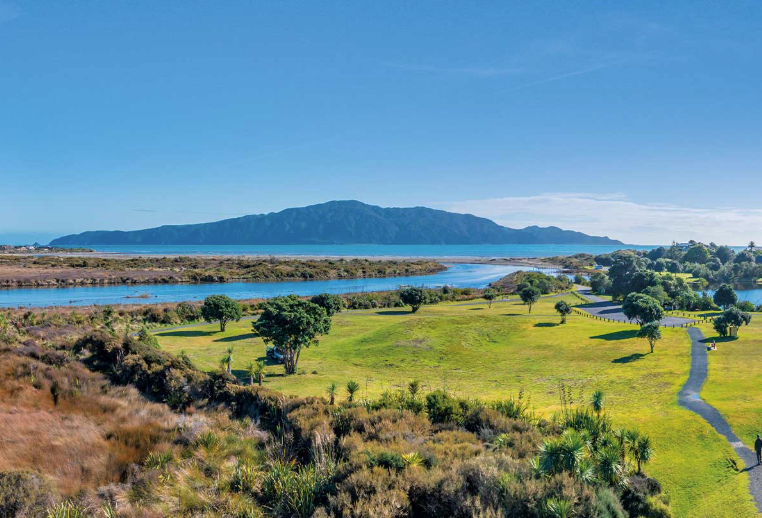
Sediment and silt control – looking after nature
Preventing silt and sediment from getting into our rivers and streams is essential for protecting the unique wildlife of the Kāpiti region. When too much sediment enters the water, it lowers water quality, blocks sunlight, and reduces oxygen levels, making it harder for native species to survive.
Freshwater animals like īnanga (whitebait), eels (tuna), kōura (freshwater crayfish), banded kōkopu, and kākahi (freshwater mussels) are especially vulnerable. Too much sediment can smother fish eggs, clog the gills of aquatic life, and destroy important habitat. It also affects wetland birds like the matuku (Australasian bittern), pūkeko, and pūweto (spotless crake), which rely on healthy, clean waterways to feed and breed.
These impacts also threaten mahinga kai, traditional food-gathering areas and go against Māori values of kaitiakitanga, which means protecting and caring for the environment.
That’s why sediment control is so important: it helps safeguard native wildlife, supports cultural traditions, and ensures we meet our environmental responsibilities.
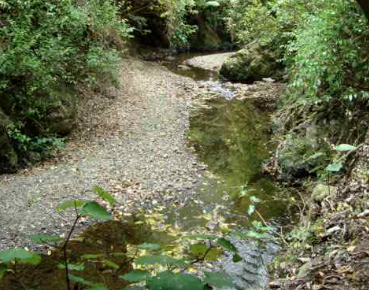
Ongoing sediment input into freshwater systems can lead to:
Over time, these effects degrade water quality and threaten aquatic life.
Managing sediment in the built environment is essential to protect infrastructure, reduce flood risks, and ensure compliance with statutory requirements such as the Resource Management Act 1991. Uncontrolled sediment runoff from urban development, earthworks, and infrastructure projects can obstruct stormwater systems, increase maintenance burdens, and alter natural flow paths, leading to downstream erosion and flooding. Best practice erosion and sediment control measures must be integrated into all stages of land development to minimise environmental impact, protect public assets, and maintain the resilience of urban and rural infrastructure networks.
In most urban and rural areas, stormwater drains flow directly into streams, rivers, and harbours with little or no filtration. This means any sediment, contaminants, or debris picked up from roads, construction sites, or land surfaces is quickly transported into natural waterways. Without proper erosion and sediment control, even brief rain events can result in significant environmental harm downstream.
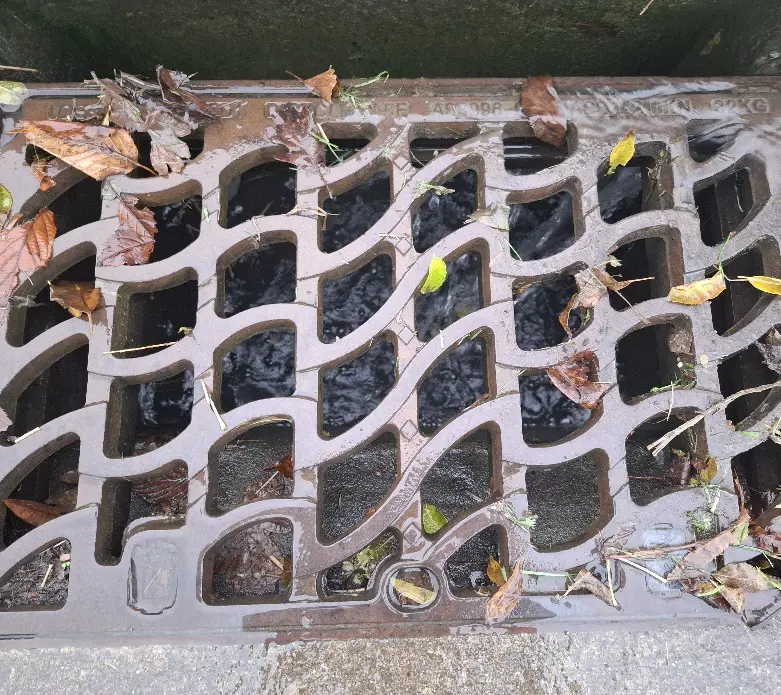
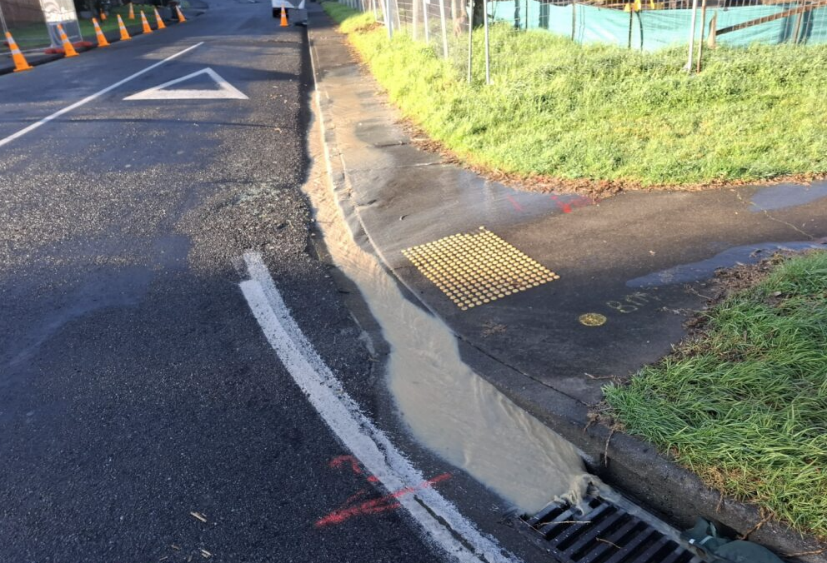
Sediment pollution also causes practical and costly problems:
A little silt here, a bit of runoff there—individually, these may seem harmless. But when repeated across numerous sites, construction zones, unsealed roads, forestry operations, or pasture runoff, the cumulative impact becomes serious.
This phenomenon is often called “death by a thousand cuts.” Each minor discharge might appear insignificant on its own, but together, they cause widespread and lasting environmental harm.
A familiar example in New Zealand is the “Be a Tidy Kiwi” campaign, which encourages individuals not to litter. The principle is the same: one person dropping rubbish might not seem like a big deal, but when thousands do it, the effects become substantial. The same goes for erosion, silt, and sediment—small, repeated contributions add up to serious damage.
That’s why everyone involved in land use, development, or site management must take responsibility for erosion and sediment control.
Protecting our environment—natural and built—means acknowledging that small actions, if left unchecked, become big problems.
Preventing a "thousand cuts" takes: Awareness, Accountability, Proactive and collective action.
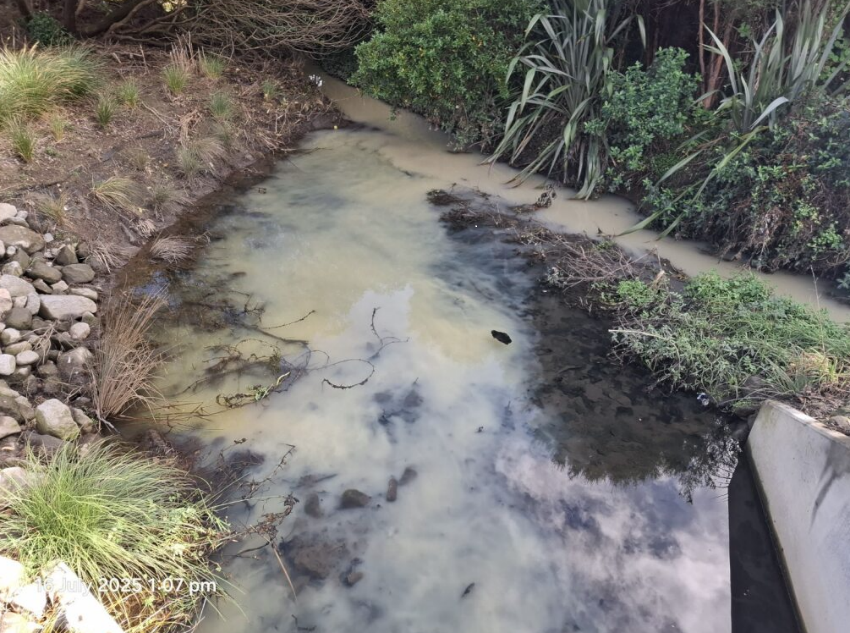
Think about how you will be preventing erosion, silt, and sediment discharges on your site
One of the most effective ways to prevent erosion and the resulting discharge of silt and sediment—is to plan your work carefully before removing vegetation or exposing soil. Wherever possible, install clean water diversions to ensure that uncontaminated water does not flow over the exposed site. This helps reduce the amount of water contributing to erosion and sediment movement.
Erosion and sediment control measures—such as silt fencing, stabilised site access points, and sediment retention devices—should be in-stalled before any earthworks begin. These are essential first steps in construction, even on sites that do not require a resource consent. All works should include appropriate controls to prevent silt and sediment from leaving the site and entering stormwater systems or waterways.
There is plenty of free information on erosion sediment control online such as:
Good building site management | Auckland Council
Greater Wellington Regional Council guide on Small Earthworks - Erosion and Sediment Controls for Small Sites.
This is a pocket guide to managing sediment on site for small-scale projects, such as building a retaining wall.

Greater Wellington Regional Council guide on Erosion and Sediment Control Guideline for Land Disturbing Activities in the Wellington Region.
The guide outlines best practice for managing erosion and sediment discharges on large earthworks sites. This updated guideline replaces the 2002 Erosion and Sediment Control.
All earthworks should have some form of a plan for how erosion and sediment will be managed even for simple or small-scale projects. Thinking about this before starting a project ensures that controls are thought through, appropriate for the site conditions, and ready to be implemented.
High-risk sites—such as those near waterways (streams, rivers, drainage channels, stormwater infrastructure) or on sloped terrain—should have a detailed ESCP with additional control measures in place. These areas are particularly vulnerable to erosion and silt-laden runoff, which can cause serious environmental harm if not properly managed.
If your site is high-risk, your ESCP should be thorough and specific to your site. You should also contact the Kāpiti Coast District Council’s monitoring and compliance team for advice or clarification if needed.
You should have all required erosion and sediment control materials on site before rain is forecast. If your ESCP includes items such as silt socks, geofabrics, or sediment control devices, ensure you always have a sufficient stockpile available. Weather conditions can change rapidly, and a lack of preparation is not an acceptable excuse for non-compliant sediment discharges.
If your site includes a stream, river, or drainage channel, silt fences should be installed parallel to the water flow along the full length of the waterway where works are taking place. These help filter and trap sediment before it can reach the water.
Most waterways in Kāpiti discharge into the sea or other sensitive environments. Preventing silt and sediment from entering these sys-tems is critical to protecting water quality and reducing long-term environmental impacts.
You may also be interested in